Stone Polishing Machine Tools – Abrasives and Brushes
🔍 Stone Surface Finishes Achievable with Abrasives
The surface finish of natural stone, such as marble, granite, and limestone is the result of a progressive abrasive process, starting from the initial calibration (flattening) to the final polishing.
Here’s a complete overview of the main finishing stages and effects achievable using abrasive tools.
The final appearance of natural stone surfaces such as marble and granite depends largely on the abrasive tools and techniques used during the finishing process.
Calibration / Flattening
- Purpose: Removes saw marks and levels the surface to ensure flatness across the slab
- Tools used: Coarse diamond calibration plates or metal-bond abrasives (grits 16#–36#)
- Typical stage: First step before any surface finishing
- Use: Essential for slab preparation in automated lines or manual machines
Grinding
- Purpose: Removes deeper imperfections and begins surface refinement
- Tools used: Diamond grinding bricks or discs (grits 36#–120#)
- Function: Prepares the surface for smoother finishes (honed, satin, polished)
- Benefit: Improves surface uniformity and reduces roughness
Polished Finish
- Look: Glossy and mirror-like
- Texture: Ultra-smooth
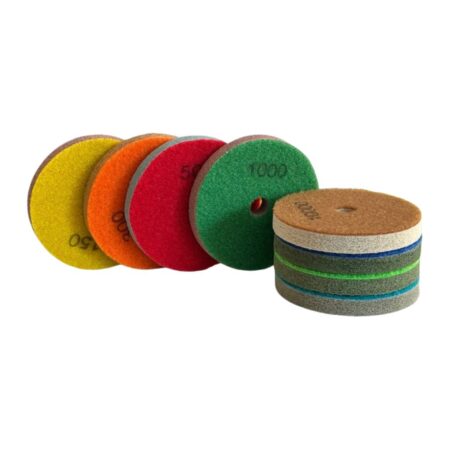
- Created with: A full series of diamond abrasives, from coarse to ultra-fine (up to 3000 grit and buffing pads)
- Use cases: Kitchen countertops, wall panels, luxury floors
- Key benefit: Enhances color and veining; gives a high-end appearance
Antique / Leather Finish
- Look: Textured and slightly undulated, with a soft sheen
- Texture: Tactile, natural, and leather-like
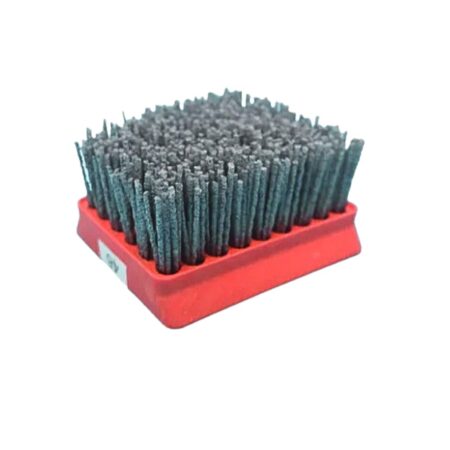
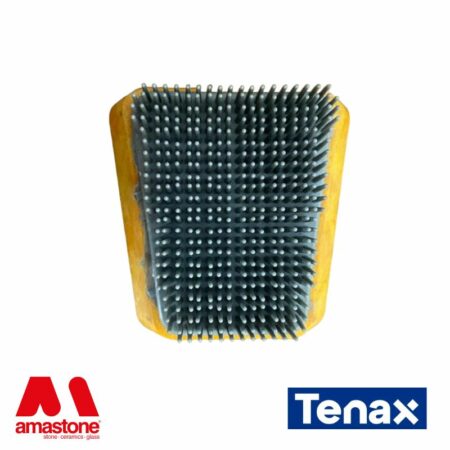
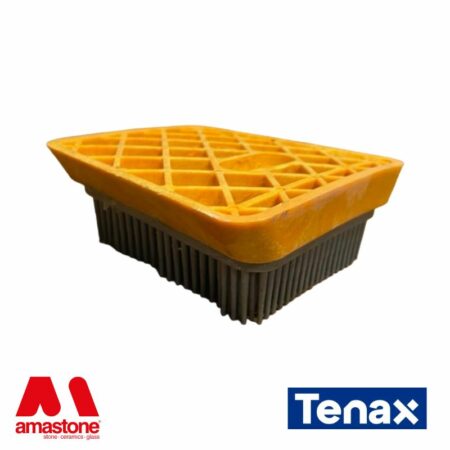
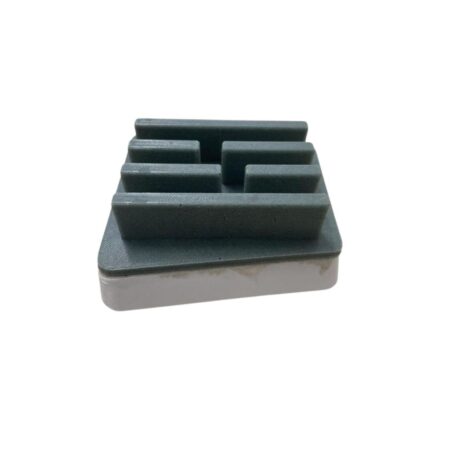
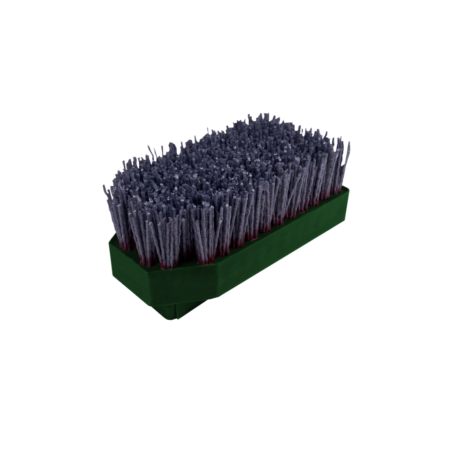
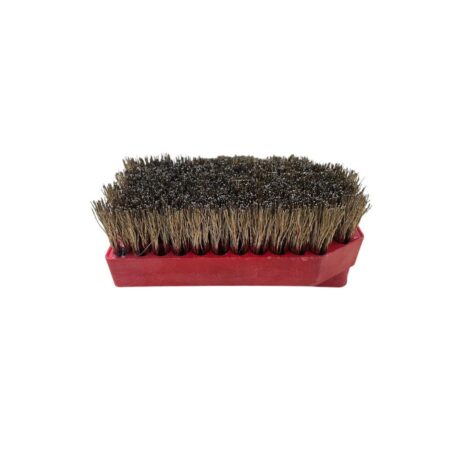
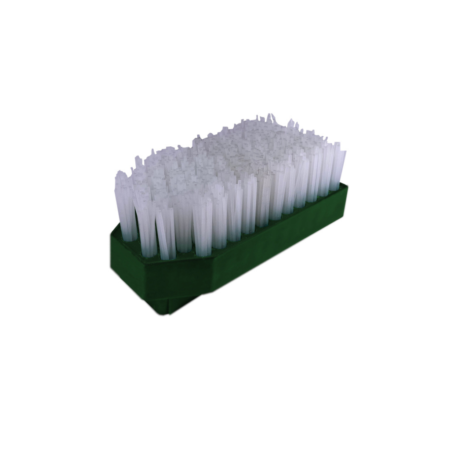
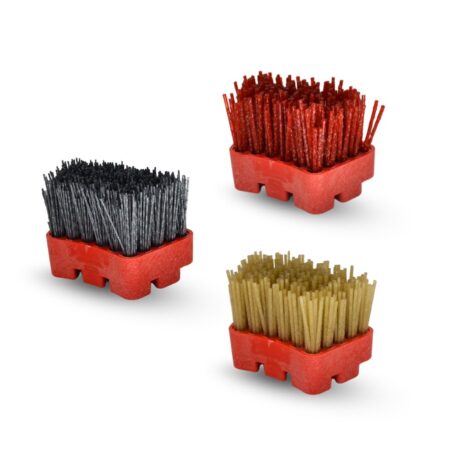
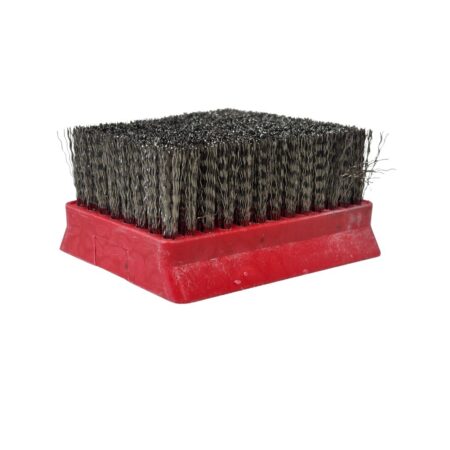
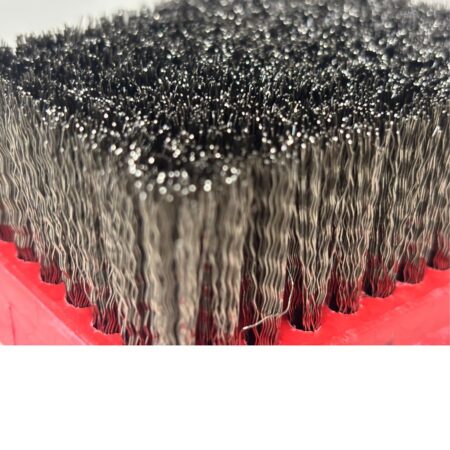
- Created with: Abrasive brushes (e.g., Frankfurt or round diamond brushes) in progressive grits
- Use cases: Interior wall features, flooring, furniture tops
- Key benefit: Combines slip resistance with a refined, aged appearance
Brushed Finish
- Look: Aged, weathered surface with slight sheen
- Texture: Lightly textured to the touch
- Created with: Coarse abrasive brushes used after a honed or flamed process
- Use cases: Rustic floors, architectural elements
- Key benefit: Adds character and a natural, lived-in feel
Honed Finish
- Look: Matte, smooth, and non-reflective
- Texture: Soft and velvety
- Created with: Medium to fine-grit abrasives (typically up to 220–400 grit)
- Use cases: Floors, stairs, bathrooms – where slip resistance and a natural look are preferred
- Key benefit: Hides scratches and etching well
Satin Finish
- Look: Smooth with a subtle, soft sheen – between honed and polished
- Texture: Silky to the touch
- Created with: Progression from fine abrasives and soft brushes (e.g., silicon carbide or diamond brushes)
- Use cases: Kitchen tops, claddings, decorative surfaces
- Key benefit: Balances elegance with practicality
🛠️ Choosing the Right Finish:
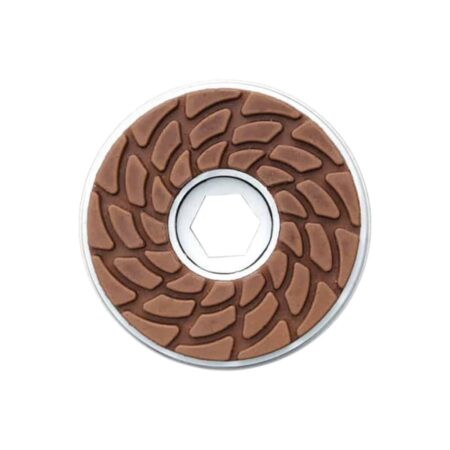
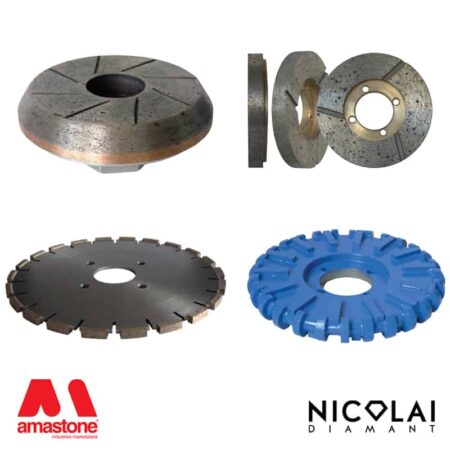
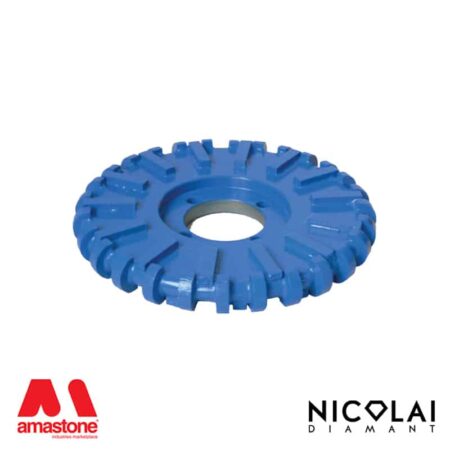
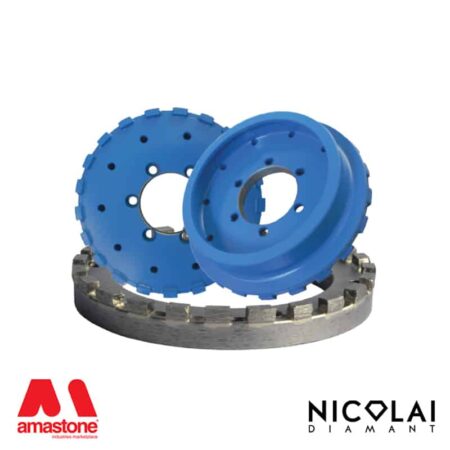
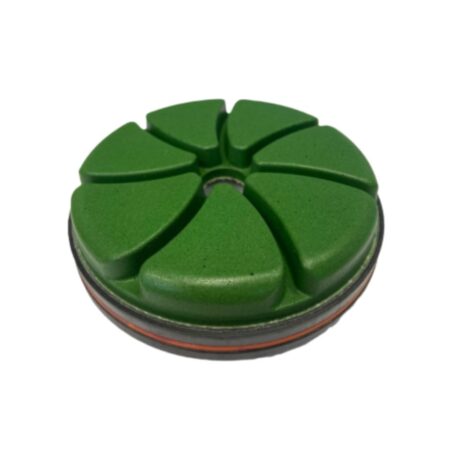
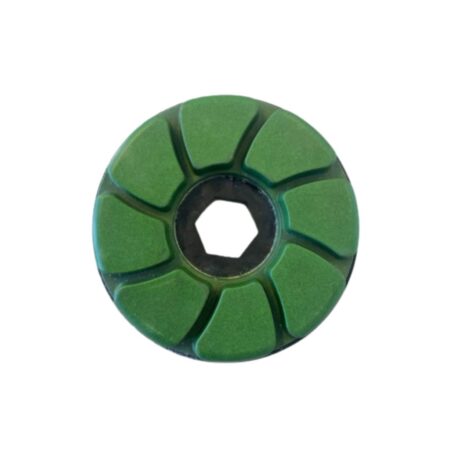
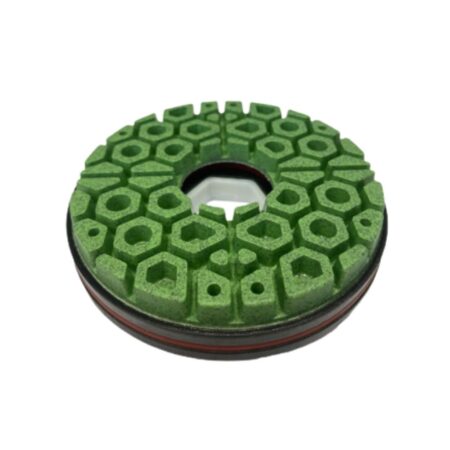
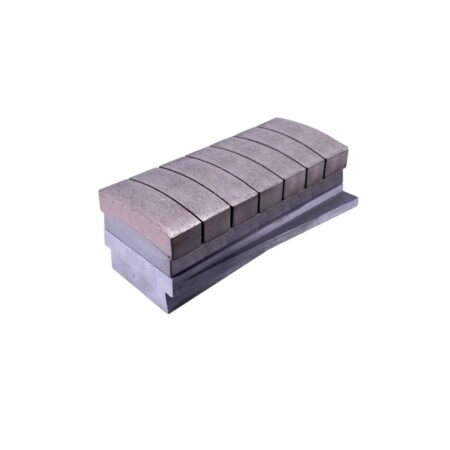
Each surface finish not only affects the appearance and texture of the stone, but also its functionality, maintenance, and slip resistance. At Amastone, you’ll find the abrasives and tools needed to create every finish listed above — from diamond pads and resin discs to Frankfurt brushes and bush-hammering rollers.










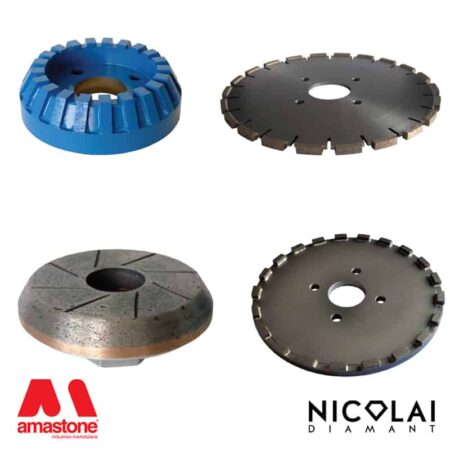
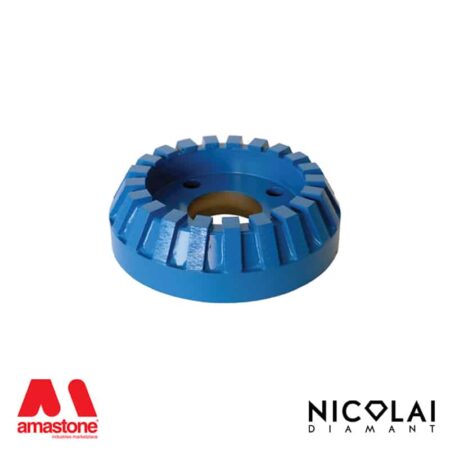
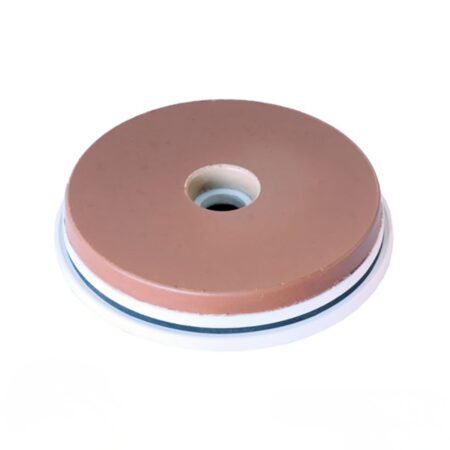
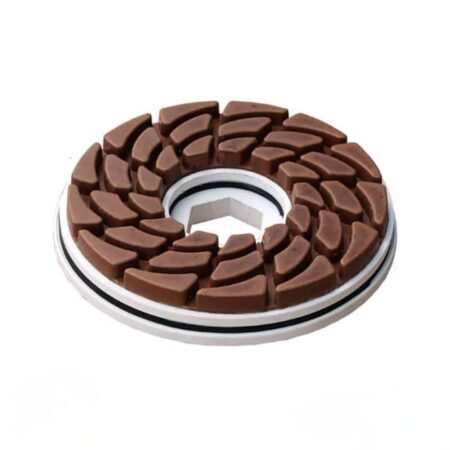



















 Diamond Blades
 Blade for power cutters, masonry saws and floor saws
 Polishing Machine Tools for Stone, Marble and Granite
 Antiquing Brushes
 Edge polishing abrasives
 Edge polishing diamonds
 Abrasive plateaux
 Fickert-Frankfurt abrasives
 Texture tooling
 Adhesives and glue
 CNC Diamond Stone Tools
 Ceramic, Granite and Marble Drill Bits
 Diamond Cloths
 Stone fabrication accessories
 Stone Carving Tools for Sculpting Marble and Granite
 Diamond Wires for Granite and Marble Quarries
 Portable Router Tools Handheld Bits
 Cemetery and Mausoleum Accessories
 Measuring Tools
 Sink and Worktop Mounting Components
 Tileable Stainless Steel Sinks
 Waste Kits
 Basin Brackets
 Fixing Systems
 Tile cutters
 Electric Tile Cutters
 Large Slab Handling
 Rail Tile Cutters
 Vibrating Suction Cups
 Alignement Suction Cups
 Tiling Accessories
 Grouting Tools
 Mixers
 Tileable Components
 Worktables
 Tile Levelling
 Montolit Spare Parts
 CNC Glass Tools
 CNC Wood Tools
 CNC Vacuum Cups
 CNC Tool Holders
 CNC Tool Forks
 CNC Adapters and Tool Extensions
 CNC Sensors and Measuring Tools
 Positioning Alignment Lasers
 Polishing Pads for Angle Grinder
 Sanding discs for angle grinders
 Angle Grinder Cutting Blades
 Diamond Core Drill Bits
 Grinding Cup Wheels
 Diamond Profile Wheels
 Backing Pads
 Grinder Dust Guards
 Angle Grinder Accessories
 Material Handling
 Slab Vacuum Lifters
 Lifting Clamps
 Manual Lifting Suction Cups
 Slab Trolleys
 Miter Clamps
 Handling Equipment Parts
 Manzelli Spare Parts
 Grabo Spare Parts
 Power Tools
 Grinders
 Polishers and Angle Sanders
 Rotary Multi Tools
 Power Drills
 Multi Tools Accessories
 Power Tool Batteries
 Power Tool Cases
 Masonry Equipment and Machines
 Machinery
 Submersible Pumps
 Vacuum cleaners
 Spare parts
 Electrical Spare Parts
 Filter-presses and Sludge Dehydration Systems Parts
 Cutting Table Mat and Panels
 Wire Saw Parts
 Water Cooling Pipes
 Personal Protective Equipment
 Packaging
 Floor Pads
 Floor Brushes
 Polishing Powder
 Floor Diamond Resin Tools
 Floor Machines
 Floor Machine Accessories Spare Parts
 Protective
 Detergents
 Waxes and Finishing